When preparing your baby’s sleep space, many parents focus on comfort and aesthetics. But for health-conscious families, there’s another important factor: reducing exposure to toxins, synthetic fabrics, VOCs, and unnecessary EMF exposure.
Babies spend 12–16 hours a day sleeping, which means the materials surrounding them matter. From mattresses to pajamas, choosing safer materials can help create a cleaner sleep environment.
Here is a simple low-tox baby sleep setup that prioritizes breathable fabrics, low-VOC materials, and thoughtful technology.
1. Woolino 4 Season Baby Sleep Sack
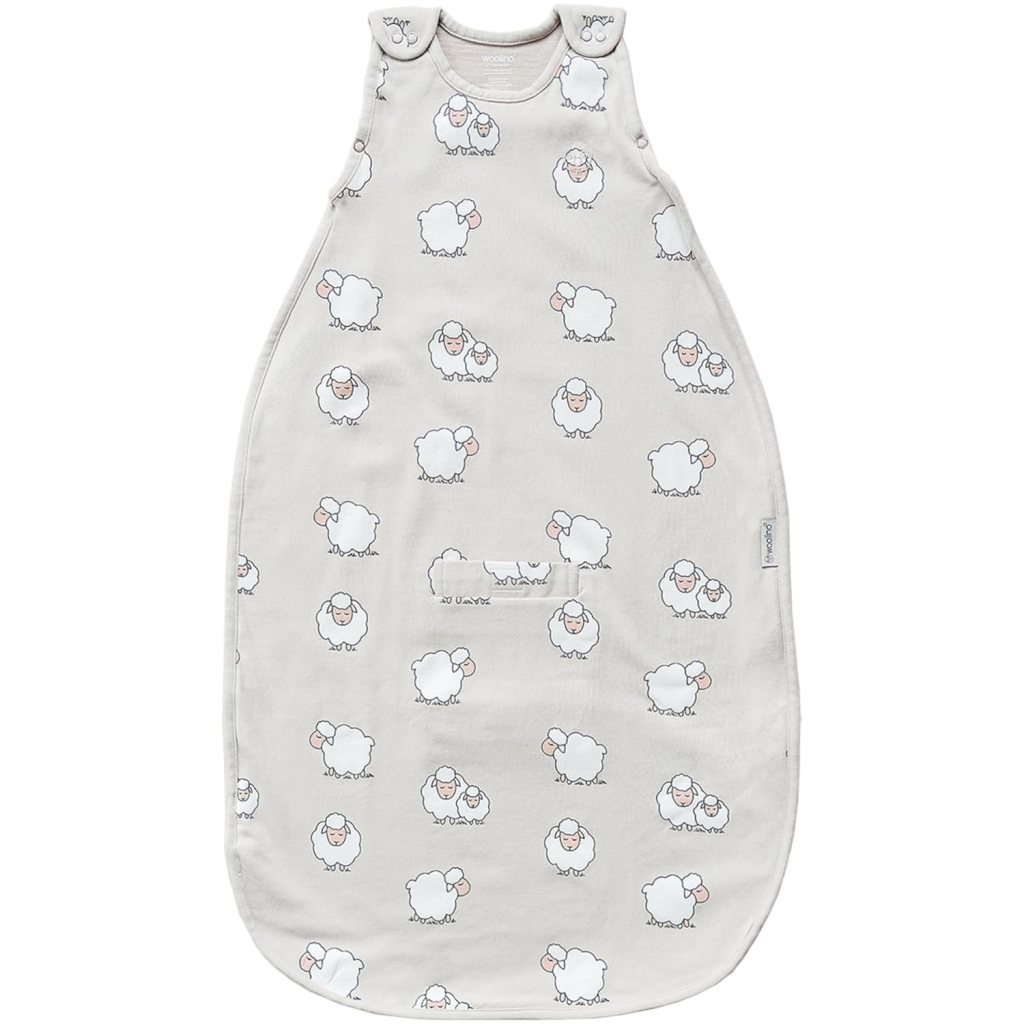
Sleep sacks are considered a safer alternative to loose blankets in the crib because they help prevent suffocation hazards while keeping baby warm.
The Woolino sleep sack is a favorite among low-tox parents because it uses natural fibers instead of synthetic polyester fill.
Why it’s a healthier choice
• Merino wool lining naturally regulates body temperature
• Organic cotton outer layer avoids pesticide-heavy conventional cotton
• Breathable fibers reduce overheating during sleep
• Certified free of harmful substances through standards like OEKO-TEX and GOTS
Merino wool also helps create a stable micro-climate, keeping babies warm when it’s cold and cool when it’s warm.
For many families, it replaces multiple sleep sacks because it works year-round, simplifying nighttime routines.
2. Organic Cotton Baby Pajamas
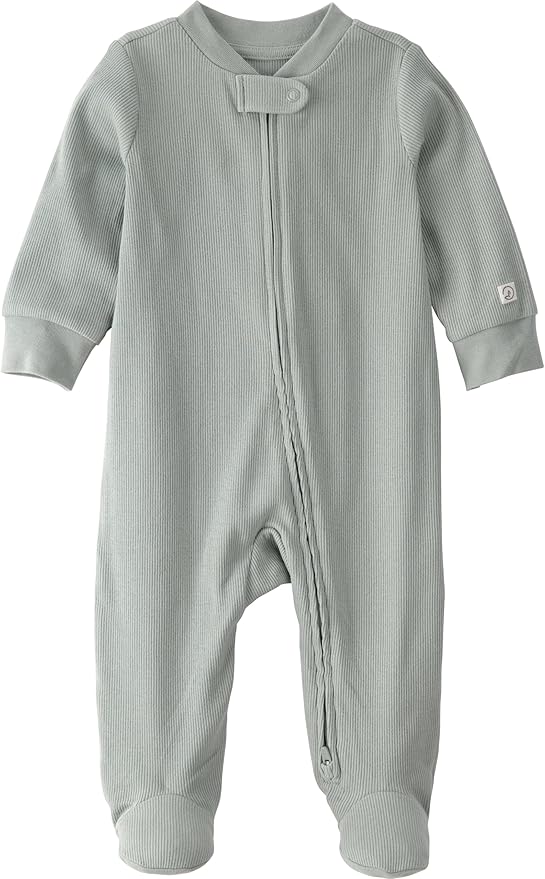
Little Planet by Carters Sleep + Play
Baby skin is thinner and more absorbent than adult skin, making fabric choice important.
Organic cotton pajamas are often recommended for a low-tox sleep setup because they are grown without synthetic pesticides and insecticides and processed without harsh chemicals commonly used in conventional cotton production.
Why organic cotton matters
• Fewer pesticide residues
• Breathable, temperature-regulating fabric
• Gentle on sensitive baby skin
• Lower environmental impact
Many conventional baby pajamas are also treated with flame-retardant chemicals, whereas snug-fit organic cotton pajamas typically avoid these treatments.
3. Naturepedic Organic Crib Mattress
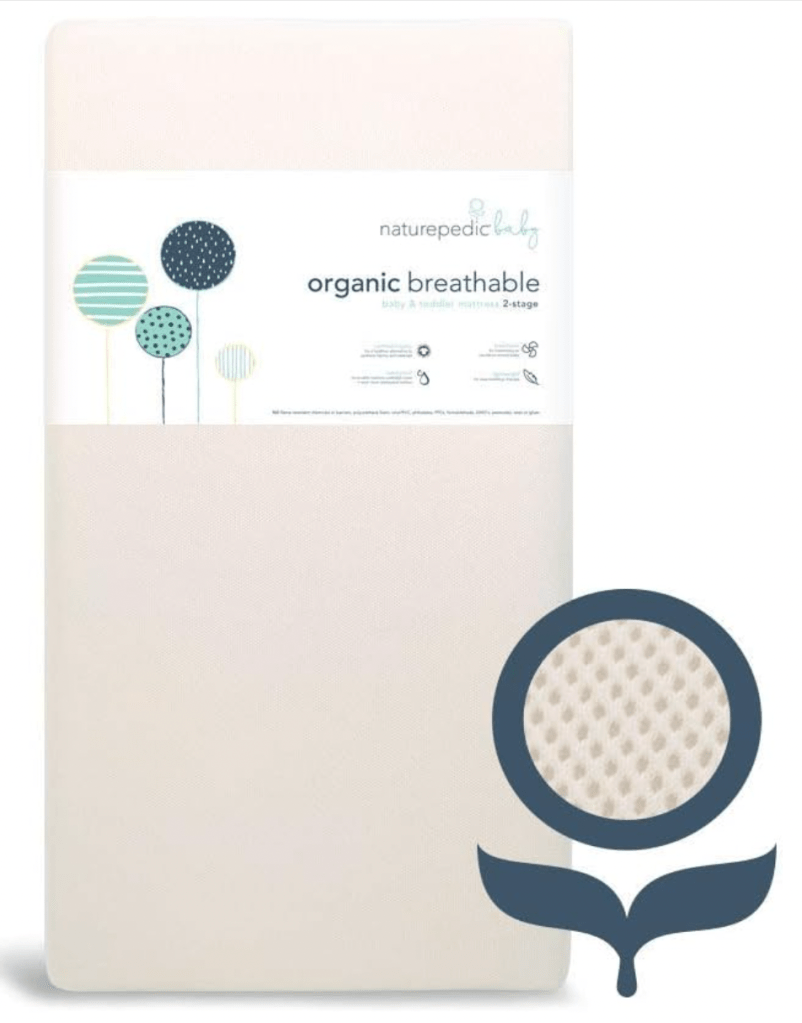
2 Stage Organic Crib Mattress for Babies and Toddlers
Your baby spends thousands of hours on their crib mattress, so this is one of the most important low-tox choices.
The Naturepedic organic crib mattress is made with certified organic cotton and is designed to avoid many of the polyurethane foams and chemical adhesives found in conventional mattresses.
Why this mattress stands out
• Made with organic cotton
• Certified non-toxic (MADE SAFE) materials
• Dual-sided firmness for infant and toddler stages
• GOTS, GOLS, and Greenguard certifications
Many conventional crib mattresses emit volatile organic compounds (VOCs) from foams and adhesives. Choosing natural materials can help reduce off-gassing in the nursery.
4. Davinci Marley 3-in-1 Convertible Crib
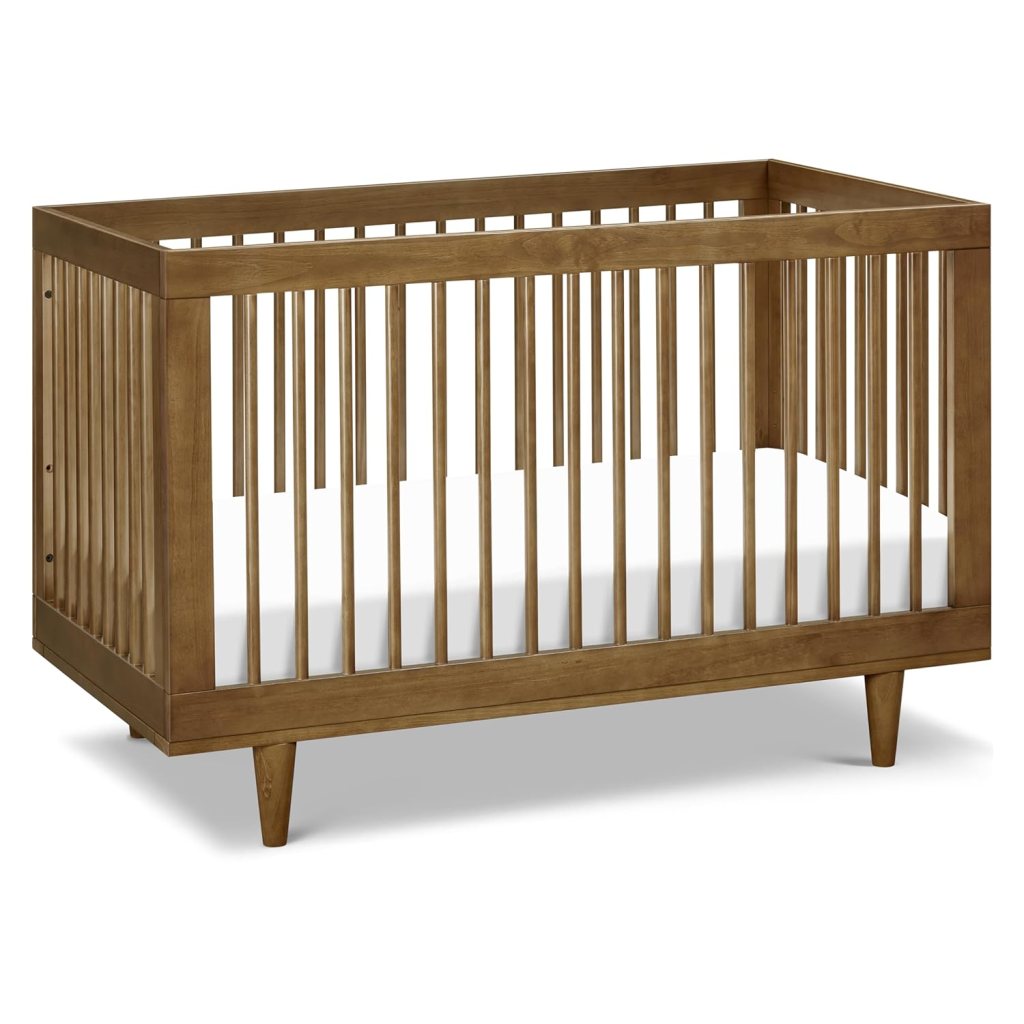
Davinci Marley 3-in-1 Convertible Crib
When choosing a crib, materials and finishes matter just as much as design.
DaVinci cribs are widely used in low-tox nurseries because they are typically finished with low-VOC paints and stains, helping reduce chemical emissions in the baby’s room.
Why parents choose this crib
• Greenguard-style low-emission finishes
• Converts from crib → toddler bed → full bed
• Adjustable mattress heights for safety
• Solid construction designed to last through multiple stages of childhood
Reducing VOCs in nursery furniture can help improve indoor air quality, which is especially important for infants.
5. Nanit Pro Smart Baby Monitor
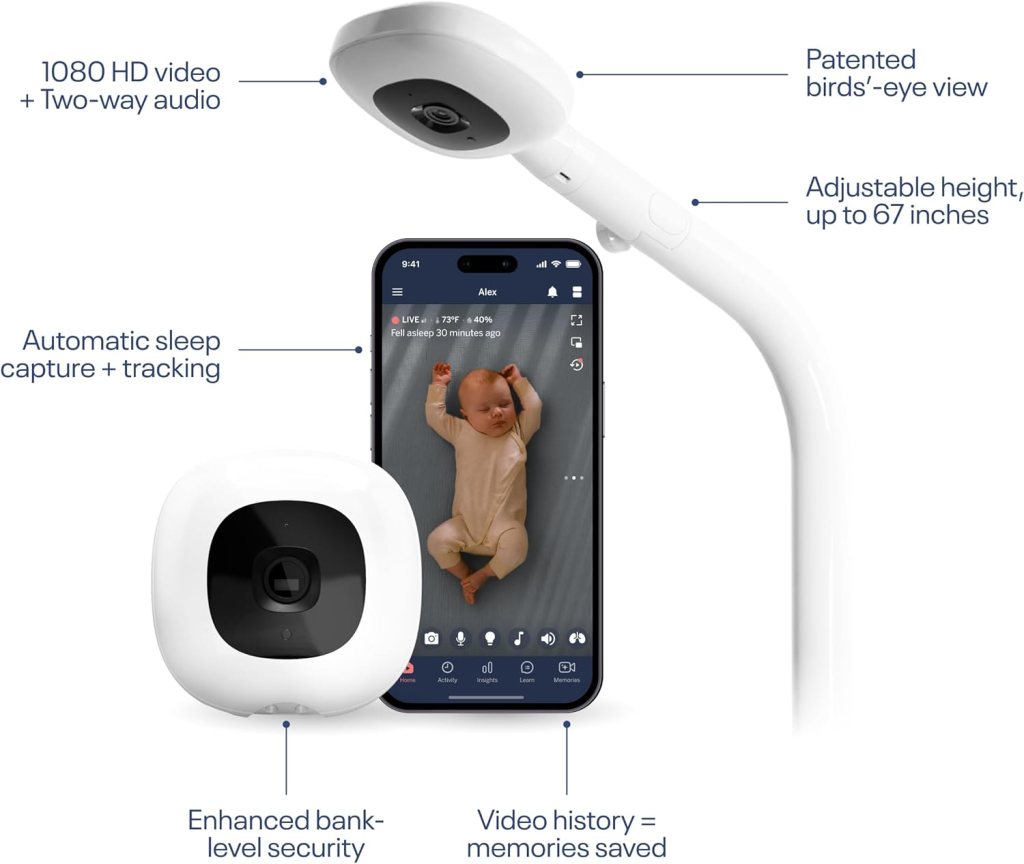
Many parents today want a baby monitor, but they also worry about EMF exposure from wireless devices.
The Nanit monitor is a popular option because it uses secure Wi-Fi technology while allowing parents to mount the camera above the crib instead of directly next to the baby.
Why it works in a low-tox sleep setup
• Wall or floor stand placement keeps device away from baby’s body
• Secure encrypted connection
• Clear bird’s-eye HD view of the crib
• Motion and sound alerts for peace of mind
For families wanting to reduce EMF exposure further, many experts recommend:
• Placing the monitor several feet away from the crib
• Turning Wi-Fi devices off overnight when possible
Simple Principles for a Low-Tox Baby Sleep Space
Creating a healthier sleep environment doesn’t have to be complicated. Focus on a few key principles:
Choose natural fabrics
Organic cotton, wool, and latex tend to be more breathable and contain fewer chemical treatments than synthetic materials.
Reduce VOC exposure
Look for products labeled low-VOC, Greenguard, or MADE SAFE.
Be mindful of electronics
Place monitors and electronics a few feet from the crib when possible.
Keep the crib simple
The safest sleep environment remains:
• Firm mattress
• Fitted sheet
• Sleep sack instead of blankets
• No pillows or toys
Final Thoughts
A low-tox baby sleep setup isn’t about perfection—it’s about reducing unnecessary exposures where you can.
By choosing breathable fabrics, natural mattress materials, and thoughtfully placed technology, you can create a sleep space that supports both comfort and peace of mind.
Small choices—like organic pajamas or a natural mattress—can make a meaningful difference in the environment where your baby spends so much time resting and growing.
 Eden was Organic
Leave a comment